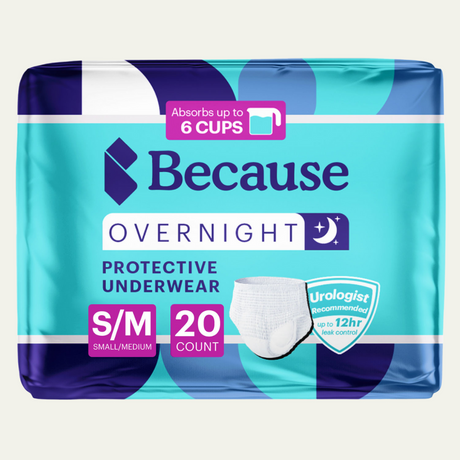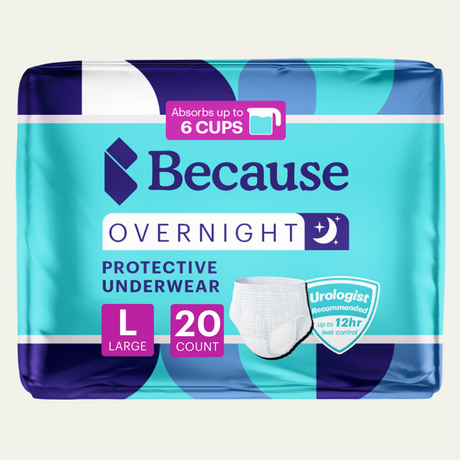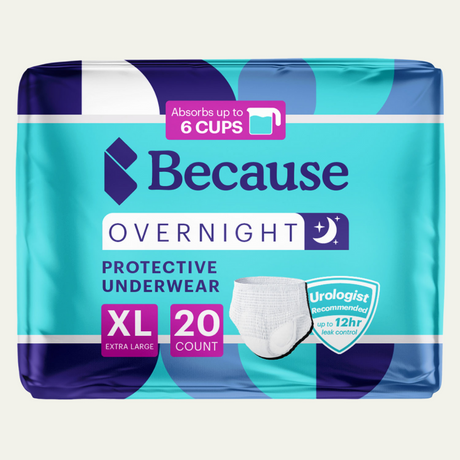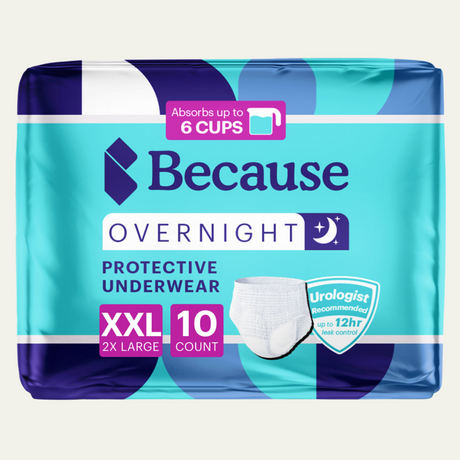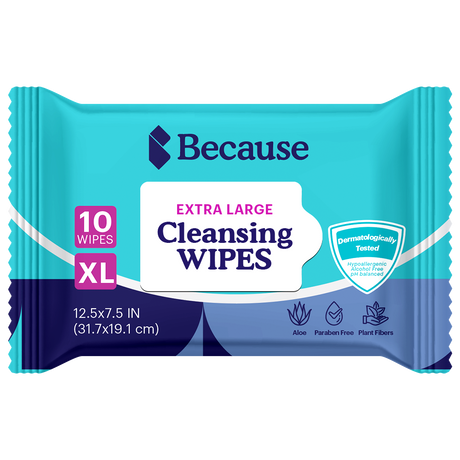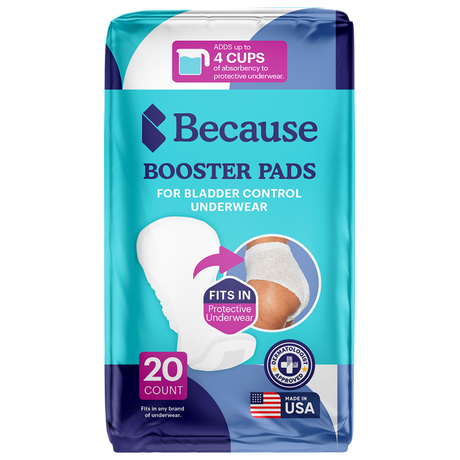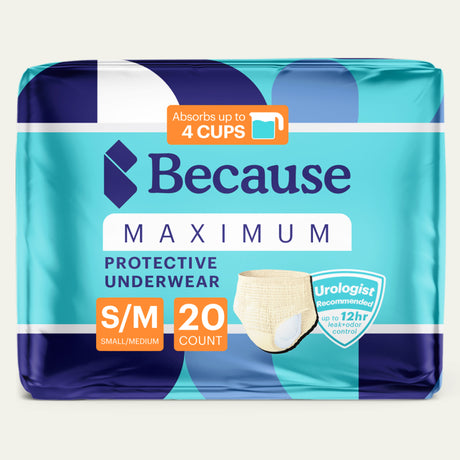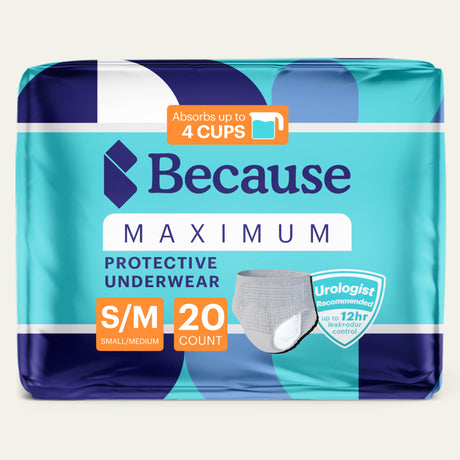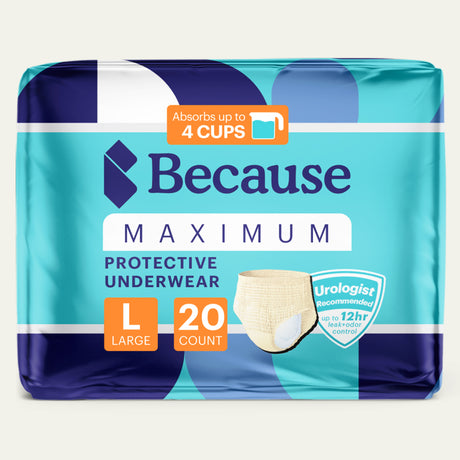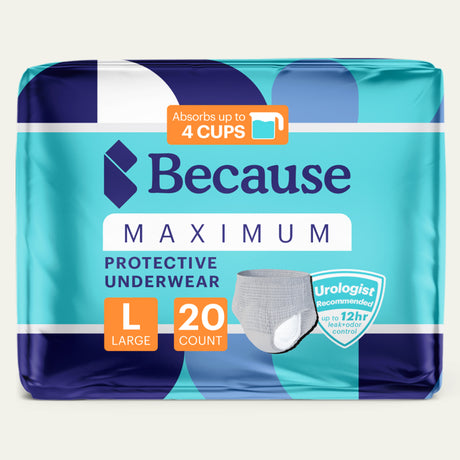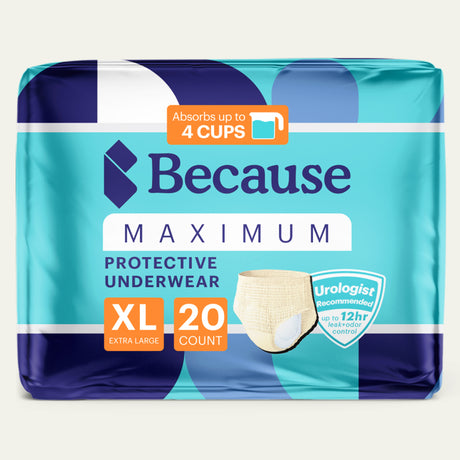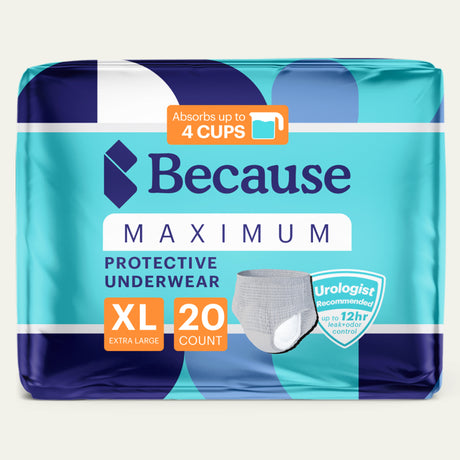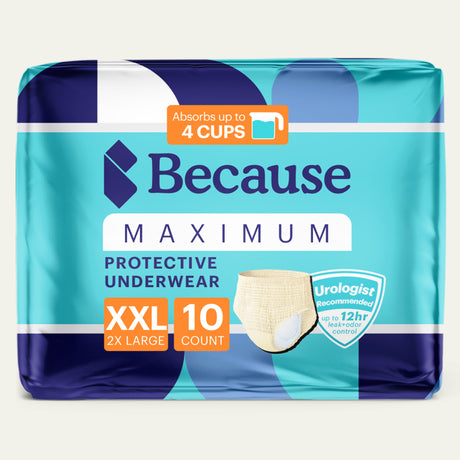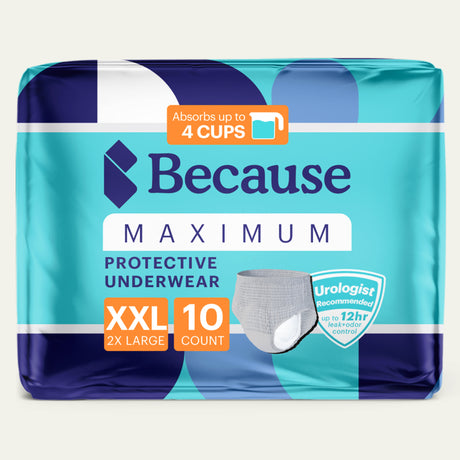

Choosing the right absorbency insert starts with understanding your personal leak pattern—whether you experience light dribbles, sudden gushes, or heavier overnight leakage. Look for a product style and capacity that matches your needs, from slim liners for occasional leaks to booster inserts for added protection inside underwear or briefs.
For the best results, compare absorbency in clear measurements like ounces or cups, check that the insert fits securely without bunching, and choose soft, breathable materials that help protect sensitive skin. Because offers liners, pads, underwear, and boosters designed to work together, making it easier to build comfortable, dependable leak protection for day or night.
Experiencing leaks—whether from bladder incontinence, postpartum changes, or heavy flow days—can be frustrating and unpredictable. The right absorbency insert can make all the difference, offering confidence, comfort, and dependable protection no matter when leaks happen. This guide explains how to choose the best absorbency insert for your specific leakage type, covering style, capacity, fit, and practical usage tips. By understanding your unique leak profile and the range of modern products available, you can feel secure, comfortable, and dignified every day.
Understand Your Leakage Type and Frequency
Choosing the right insert begins with knowing your leak pattern. Every person’s “leak profile” differs based on frequency, volume, and triggers.
Leak types generally fall into three categories:
- Light: Occasional dribbles, often when coughing, laughing, or lifting something heavy
- Moderate: Sudden gushes, sometimes tied to urge incontinence or a full bladder
- Heavy: Consistent leakage or overnight wetness
If you’re unsure, keep a bladder diary for several days. Record when leaks occur, their size, and any triggers. This self-assessment helps you identify your incontinence type and choose an insert that matches your real needs. Research shows many people—up to 80%—don’t use the correct absorbency level, leading to discomfort and wasted money. Taking time to understand your leakage frequency pays off with better protection and fewer surprises.
Do you or a loved one experience symptoms of urinary incontinence? Start your trial today!
Choose the Right Product Style for Your Needs
Once you know your leak type, choose a product style that matches your protection needs and lifestyle. Here’s a quick comparison:
|
Product Style |
Best For |
Key Features |
|---|---|---|
|
Liner |
Light leaks |
Slim, discreet, daily confidence |
|
Regular Pad |
Moderate leaks |
Adhesive backing, moderate absorbency |
|
Booster Insert |
Moderate to heavy leaks |
Adds absorbency to pads or briefs; no waterproof backing |
|
Protective Underwear |
Frequent or heavy leaks |
Full coverage and comfort |
|
Brief |
Maximum to overnight protection |
All-in-one, highest absorbency capacity |
Booster inserts are unique—they don’t have waterproof backing, so they should be layered inside another product like a pad or brief. This design allows fluid to pass through to the outer layer, extending total capacity. Many people use lighter options during the day and switch to a booster or overnight insert for sleeping. Choosing flexible solutions helps you stay dry without bulk or extra layers.
When selecting, look for trusted brands such as Because, whose boosters integrate seamlessly with its underwear for added protection without sacrificing comfort.
Check Absorbency Ratings and Capacity Measures
Absorbency labels can be confusing. Instead of relying on drip icons or symbols, look for measurable capacity in ounces, milliliters, or cups.
An absorbency insert supplements fluid collection, designed to hold a specific volume before leakage. Typical capacities include:
|
Insert Type |
Approximate Capacity |
Ideal Use |
|---|---|---|
|
Light liner |
2–4 oz (0.25–0.5 cup) |
Spot protection or stress leaks |
|
Moderate insert |
8–12 oz (1–1.5 cups) |
Daily protection for moderate leaks |
|
Heavy booster |
16–24 oz (2–3 cups) |
Extended wear or travel |
|
Overnight booster |
Up to 32 oz (4 cups) |
Nighttime or continuous leakage |
Since an average adult bladder emptying releases 8–12 ounces, knowing your approximate leak amount helps you pick the right insert without overbuying. Transparency matters—opt for brands that share actual absorbency data. Because, for example, clearly lists cup-based capacities (holding up to 6 cups total when paired with boosters) so you always know what to expect.
Ensure Proper Fit and Comfort
Even the most absorbent insert won’t help if it doesn’t fit properly. Ill-fitting products can bunch, leak, or rub against the skin, leading to irritation or even infection.
To find your best fit:
- Measure your preferred coverage area and review manufacturer sizing guides
- Match shape and width to your body type and leakage pattern
- Test different styles—samples can help narrow down your ideal fit
Choose inserts made with soft, breathable, and hypoallergenic materials, especially if you have sensitive skin. Because’s plant-based materials, combined with DryFeel and OdorLock technologies, pull moisture away fast while neutralizing odor—helping you stay dry and discreet. Prioritize skin-safe protection that moves with you comfortably throughout the day.
Test and Adjust Your Absorbency Insert Choice
Finding your perfect fit may take a few tries. The following five-step process can help you fine-tune your choice:
1. Track leaks with a bladder diary
2. Select style based on your main leak type
3. Compare absorbency capacities in measurable units
4. Verify fit and comfort using sizing and shape guides
5. Test and adjust, increasing or decreasing absorbency if leaks continue
Small adjustments—adding a booster pad, shifting positioning, or using a higher-capacity overnight insert—can significantly improve your comfort. Once you’ve landed on the right setup, consider a subscription delivery for convenience and savings. Because offers flexible subscription options so you’ll never run out or overstock. If leaks persist or irritation develops, consult your healthcare provider or a product specialist for advice.
Practical Tips for Choosing and Using Inserts
Day-to-day comfort often depends on how you use your products, not just which ones you choose. Keep these tips in mind:
- Choose slim, contoured boosters for extra capacity without added bulk
- Use fragrance-free, clothlike materials for sensitive skin
- Buy in bulk or set up an auto-delivery for consistent supply and savings
- Follow care instructions closely if using reusables to maintain absorbency over time
- Adjust day and night options to stay comfortably protected 24/7
A little preparation goes a long way—combining the right style, capacity, and comfort ensures steady, worry-free protection.
By understanding your body, measuring your needs, and balancing comfort with capacity, you can find the absorbency insert that keeps you dry and confident every day—because life’s better leak-free.
Frequently Asked Questions
What absorbency level do I need for different leak severities?
Liners suit light stress leaks; moderate inserts or boosters handle gushes, and overnight products cover heavy or nighttime leakage. Because makes options for each level, from light liners to overnight-capacity boosters.
How much liquid can an absorbency insert typically hold?
Most inserts hold 8–16 ounces, while maximum boosters hold up to 32 ounces—about 4 cups. Because products clearly show their cup-based capacity, so you know exactly what you’re getting.
What are the differences between boosters, liners, and ordinary inserts?
Boosters extend absorbency inside another layer, liners handle small dribbles, and standard inserts offer moderate standalone protection—Because boosters integrate easily with its underwear line.
How do I select the right insert size and avoid leaks?
Match insert length and shape to your leak pattern and body type, ensuring it stays flat and secure. Because sizing guides make this simple.
What materials are best for sensitive skin and odor control?
Soft, breathable, hypoallergenic inserts with odor-neutralizing technology are best—like Because inserts with plant-based materials and OdorLock Technology for added freshness.