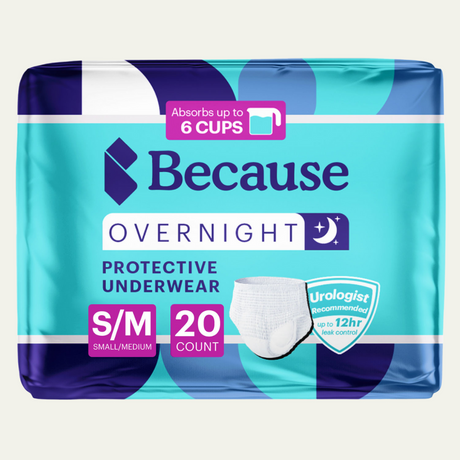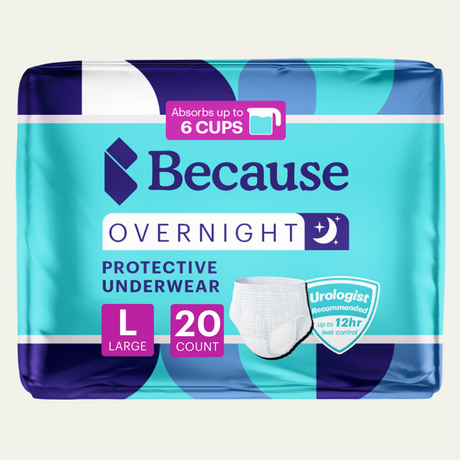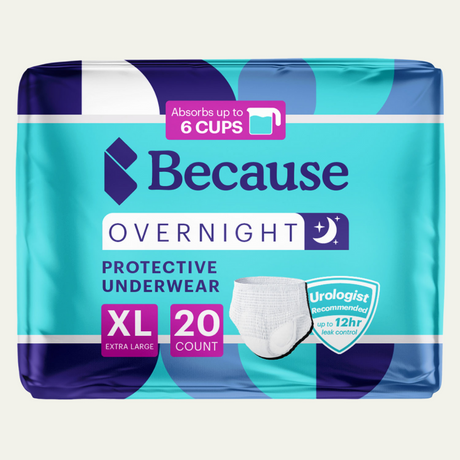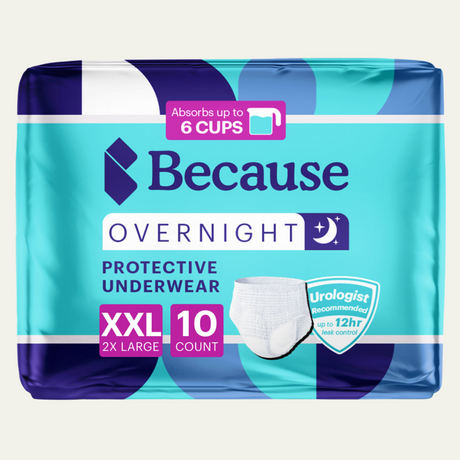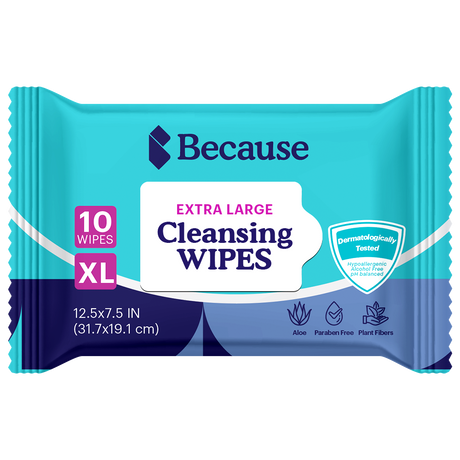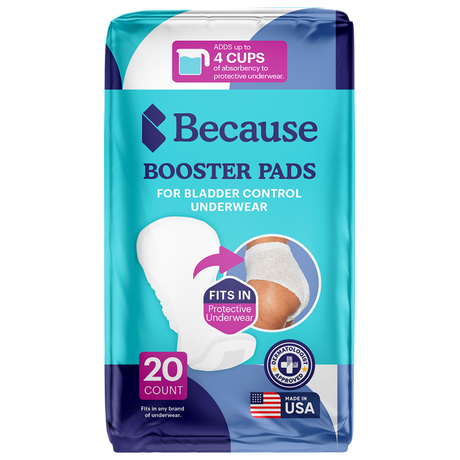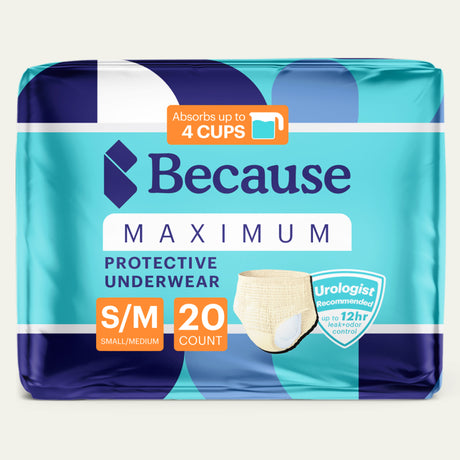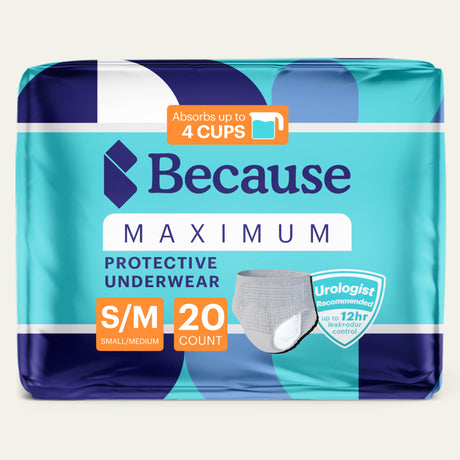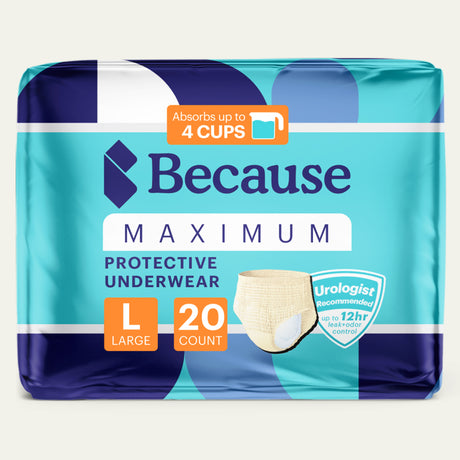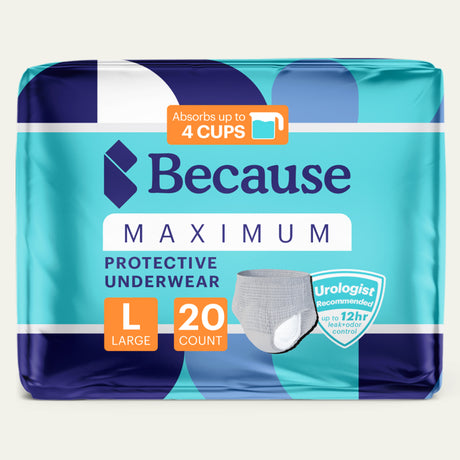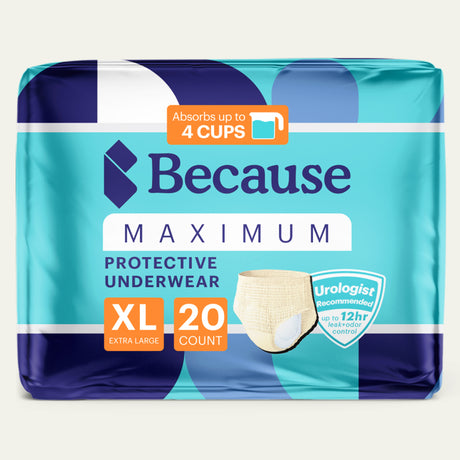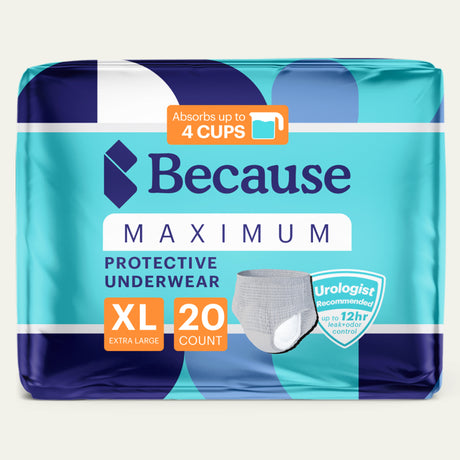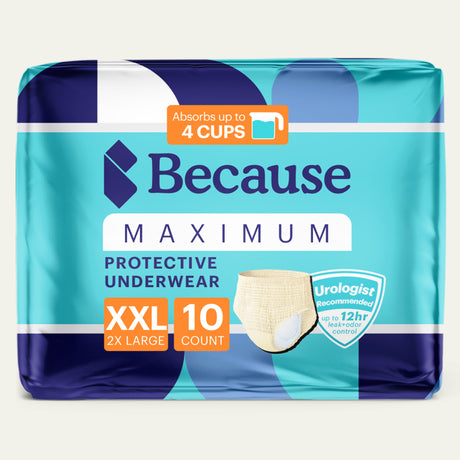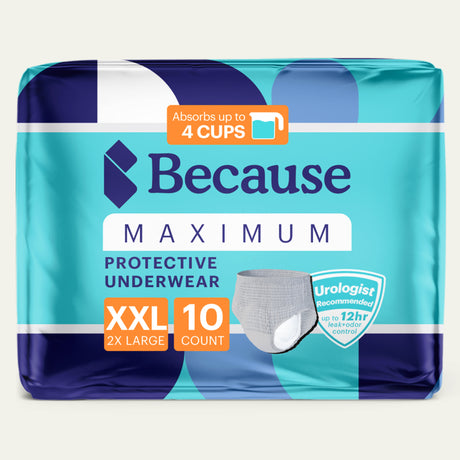

The best incontinence underwear for women is the pair that fits your body, supports your day, and feels realistic to change when needed. Start with fit and routine before choosing the highest absorbency.
This guide is a practical shopping companion. It compares styles by daily use, overnight needs, clothing comfort, and caregiver routines so you can choose with less trial and error.
Quick answer: what makes a good pair?
Good incontinence underwear should stay close at the waist and legs, feel comfortable under clothes, and match your usual leak level. For longer stretches or overnight use, choose more absorbency and keep backup supplies nearby.
| Need | Look for | Avoid |
|---|---|---|
| Light daily leaks | Slim fit and soft feel | Bulky protection you will not wear |
| Moderate daily leaks | Secure leg openings and steady absorbency | Loose thigh gaps |
| Overnight use | Higher absorbency and fuller coverage | Relying on a daytime pair for long wear |
| Travel or outings | Easy changes and discreet packing | Running out away from home |
Check the fit before buying in bulk
Fit is the first thing to test because leaks often happen at gaps. A product can be highly rated and still be wrong for your shape.
- The waistband should stay flat without rolling down.
- The leg openings should touch without pinching.
- The center panel should stay in place when you walk or sit.
- The pair should feel secure under your normal clothes.
Pick absorbency by the hardest part of the day
Choose absorbency for the moment when leaks are hardest to manage. Some people need one option for daytime and another for overnight or travel.
If lighter protection works at home but not on errands, keep a stronger option for longer outings. If nighttime is the challenge, use an overnight-focused product and keep bedding protection nearby if that makes the routine easier.
Make the routine easier
The best product is the one you can use consistently. A subscription can help keep supplies on hand before you run low, especially if you use different protection for day and night.
- Store a few pairs in the bathroom, bedroom, purse, or travel bag.
- Keep disposal bags where changes happen.
- Test a smaller pack before committing to a large supply.
- Adjust size or style if leaks happen around the edges.
Bottom line
Start with body fit, then absorbency, then convenience. The right incontinence underwear should protect clothing, support normal movement, and make your routine feel calmer.
FAQ
What is the best incontinence underwear for women?
The best choice fits closely, matches your leak level, and feels comfortable enough to wear consistently.
Should I choose disposable or washable underwear?
Disposable underwear is often simpler for travel, overnight, and caregiver support. Washable options may suit lighter, predictable leaks when laundry is easy.
Should I size up if it leaks?
Not always. A larger size can make gaps worse. Check where the leak happens before changing sizes.