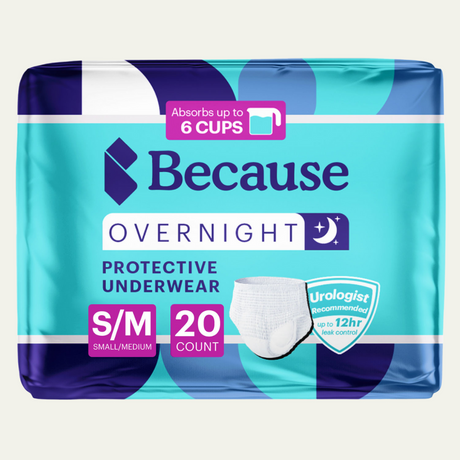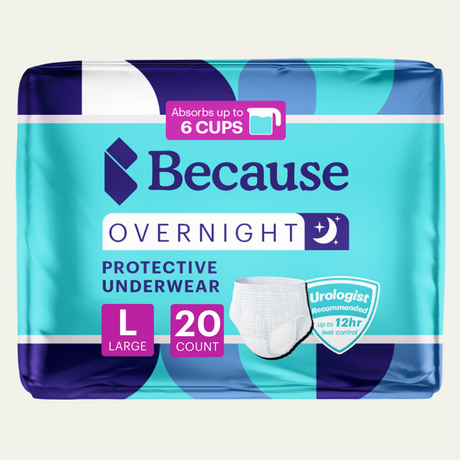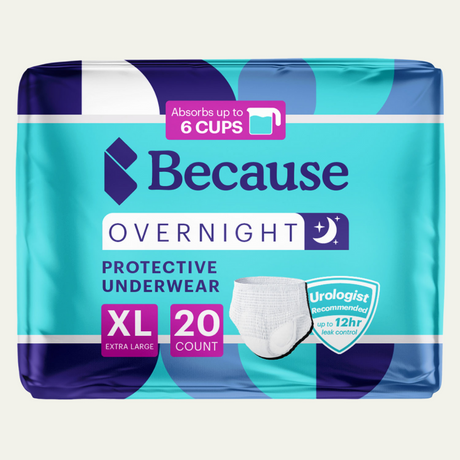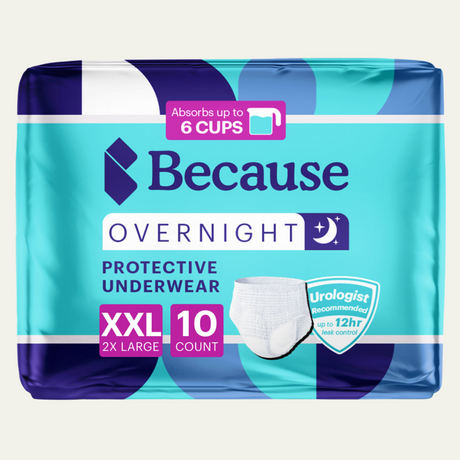

If you use bladder control products every day, one of the most common questions is also one of the most important: how often should you change an incontinence pad? The short answer is that you should change it as soon as it becomes wet, soiled, uncomfortable, or no longer keeps your skin dry. For many adults, that means changing every 2 to 4 hours during the day, though the right schedule depends on your leakage level, the pad’s absorbency, your activity level, and your skin sensitivity.
Changing pads regularly is about much more than odor control. A fresh pad can help reduce irritation, support healthier skin, lower the risk of leaks, and make daily life more comfortable and confident. If you are using the wrong absorbency level or waiting too long between changes, your skin may be exposed to moisture longer than it should be. The good news is that the right routine and the right product can make pad changes much easier to manage.
Why Pad Changing Frequency Matters
Incontinence pads are designed to absorb urine, wick moisture away from the skin, and help you stay dry and comfortable. But even high-quality pads have a limit. Once a pad becomes saturated, it can feel heavy, lose its shape, allow odor to build, and increase contact between urine and your skin.
That matters because prolonged moisture exposure can lead to skin problems such as redness, soreness, and incontinence-associated dermatitis. If skin stays damp for too long, the skin barrier can weaken, making irritation and infection more likely. In simple terms, a pad should support your hygiene routine, not replace it.
How Often Should You Change an Incontinence Pad?
There is no single schedule that works for everyone, but a practical guideline is to change an incontinence pad every 2 to 4 hours during the day, or sooner if it feels wet, smells unpleasant, or no longer feels comfortable. If the pad is soiled with stool, it should be changed right away.
Here is a simple rule of thumb:
- Light leaks: every 3 to 4 hours, or sooner if damp
- Moderate leaks: about every 2 to 4 hours
- Heavy leaks: as often as needed to keep skin dry, sometimes every 1 to 2 hours
- Overnight products: use an overnight absorbency option and change it first thing in the morning
Some products include a wetness indicator, while others rely more on feel and fit. If your pad starts to feel swollen, saggy, warm, or uncomfortable, it is usually time for a change.
Do you or a loved one experience symptoms of urinary incontinence? Start your trial today!
Signs It Is Time to Change Your Pad
A schedule can help, but your body and your product also give you clues. You should usually change your pad when you notice any of the following:
- The surface feels wet instead of dry
- The pad feels heavy or bulky
- You notice odor
- Your underwear or clothing feels damp
- The pad has shifted, bunched, or lost its shape
- Your skin feels itchy, warm, or irritated
Modern absorbent products are made to pull fluid away from the top layer, but once that absorbent core is nearing capacity, performance drops. If you are seeing leaks before your next planned change, that is often a sign you need a more absorbent product, more frequent changes, or both.
How Changing Pads Helps Protect Skin
Healthy skin depends on staying as clean and dry as possible. Urine can change the skin’s natural balance, and long exposure to moisture can make skin more fragile. That is why frequent changes are one of the simplest and most effective ways to help prevent soreness, chafing, and skin breakdown.
It also helps to gently cleanse the area after leaks and before putting on a fresh pad. Many people do well with soft wipes, a gentle cleanser, and a light barrier cream when needed. If you want more tips on managing freshness and hygiene, see incontinence odor control.
If you notice persistent redness, broken skin, burning, a rash, or signs of infection, it is a good idea to speak with a healthcare professional. Skin issues can worsen quickly when moisture is involved.
Daytime Vs. Overnight Changes
Pad changing needs are often different during the day than at night. During the day, movement, walking, sitting, exercise, and bathroom trips can all affect how quickly a pad fills or shifts. Most adults benefit from checking regularly and changing before the pad reaches full saturation.
At night, the goal is usually longer uninterrupted protection. That is where a higher-absorbency or overnight option can help. Overnight products are made for extended wear, but they should still be changed promptly in the morning. If you routinely wake up damp or uncomfortable, explore a more absorbent option such as pads and guards designed for heavier protection.
How Absorbency Level Affects Change Timing
One of the biggest reasons people change too often or not often enough is using the wrong absorbency level. A thin liner for light drips will not perform like a moderate or overnight pad. On the other hand, wearing a bulkier product than you need may feel less comfortable than a lighter option with more frequent changes.
In general:
- Light absorbency products are best for small drips and occasional leaks
- Moderate absorbency products are better for regular daytime leakage
- Maximum or overnight absorbency products are made for larger voids, longer wear windows, or sleep
If you are not sure what type to choose, reading about how absorbent incontinence products work can make it easier to match the product to your needs.
Simple Tips for More Comfortable Pad Changes
The best pad-changing routine is one you can realistically stick with. These simple habits can make a big difference:
- Keep extra pads with you at home, in the car, or in a bag
- Change promptly after leaks instead of waiting for the next scheduled check
- Cleanse gently and pat skin dry before putting on a fresh pad
- Use products designed for incontinence rather than menstrual pads, which are made for different fluid types
- Choose breathable, skin-friendly materials if you are prone to irritation
- Stay hydrated, since concentrated urine can have a stronger odor and may irritate skin more
When to Talk to a Doctor
Absorbent products can be helpful, but they should not be your only strategy if leaks are becoming more frequent or severe. It is worth speaking with a doctor if you suddenly need to change pads much more often, if your symptoms are interfering with sleep or daily life, or if you have burning, blood in the urine, fever, pain, or repeated skin irritation.
You can also learn more from trusted health resources such as the NHS guide to incontinence products, the National Association for Continence, and Cleveland Clinic’s urinary incontinence overview.
The Bottom Line
So, how often should you change an incontinence pad? For most adults, every 2 to 4 hours is a good starting point during the day, with immediate changes after soiling and a fresh product in the morning after overnight wear. The right timing depends on your body, your routine, and your absorbency level, but one principle stays the same: if the pad is wet, uncomfortable, or no longer keeping your skin dry, it is time for a change.
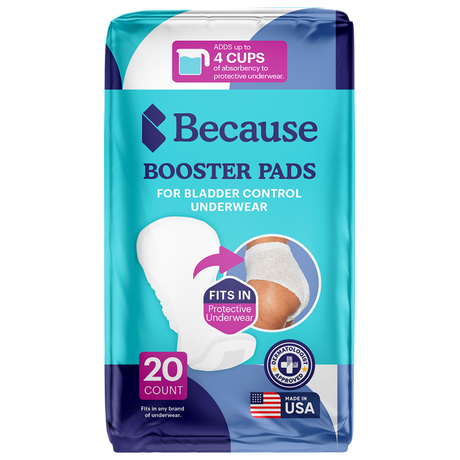
Choosing the right product can make those changes less frequent, more comfortable, and more discreet. If you are looking for better everyday protection, explore Because pads and guards and learn more about how to compare adult incontinence brands for comfort, absorbency, and skin health.
Frequently Asked Questions
How long can you safely wear an incontinence pad?
Most incontinence pads should be changed every 2 to 4 hours during the day. However, you should always change your pad sooner if it feels wet, uncomfortable, or starts to smell. Overnight pads can be worn longer, but should be changed immediately in the morning.
What happens if you don’t change an incontinence pad often enough?
Wearing a saturated pad for too long can lead to skin irritation, odor, leaks, and a higher risk of conditions like incontinence-associated dermatitis (IAD). Keeping skin clean and dry is key to preventing discomfort and infection.
Should you change an incontinence pad even if it feels dry?
Yes. Even if a pad feels dry, it’s still recommended to change it every few hours to maintain hygiene and reduce bacteria buildup. Regular changes help support skin health and overall comfort.
Are overnight incontinence pads safe to wear all night?
Yes, overnight pads are specifically designed for extended wear and higher absorbency. They can typically last 6 to 8 hours, but should always be changed promptly in the morning to keep skin healthy.
How do you know if your pad is absorbent enough?
If you experience leaks, frequent dampness, or need to change pads very often, your current product may not be absorbent enough. Switching to a higher-absorbency option can improve comfort and reduce the number of changes needed.
Can wearing the wrong pad cause skin irritation?
Yes. Pads that are not breathable, too small, or not absorbent enough can trap moisture against the skin. Choosing skin-friendly, well-fitting products with good absorbency can help prevent irritation.
How can you prevent odor between pad changes?
To minimize odor, change pads regularly, maintain good hygiene, and use products with built-in odor control. You can also learn more strategies in our guide to incontinence odor control.
Is it better to change pads more often or use higher absorbency?
It’s usually best to do both: choose the right absorbency for your needs and still change pads regularly. Higher absorbency can extend wear time, but should never replace proper hygiene and timely changes.
Related Reading
- Incontinence Pads vs Menstrual Pads: What's the difference?
- Best Incontinence Pad Guide: 4 Simple Tips
- Thin vs Maximum Pads: How to Balance Discretion and Protection
- 2026 Authoritative Guide to Men’s Incontinence Pad Technology and Brands