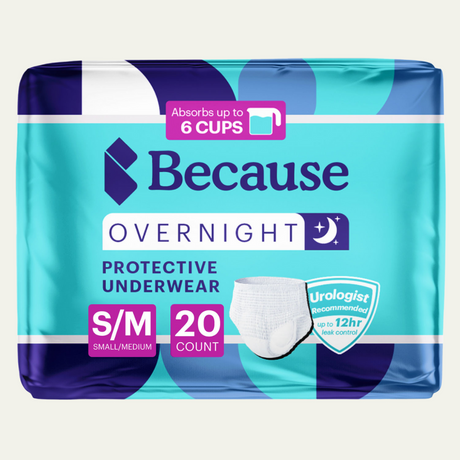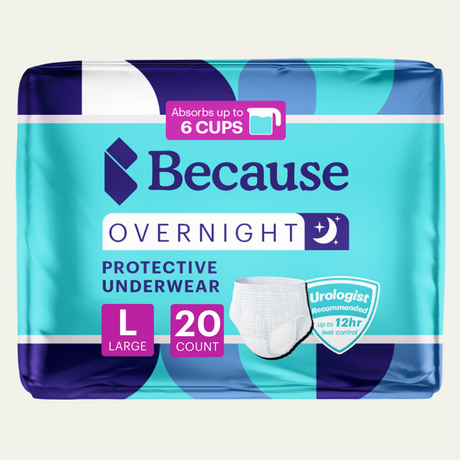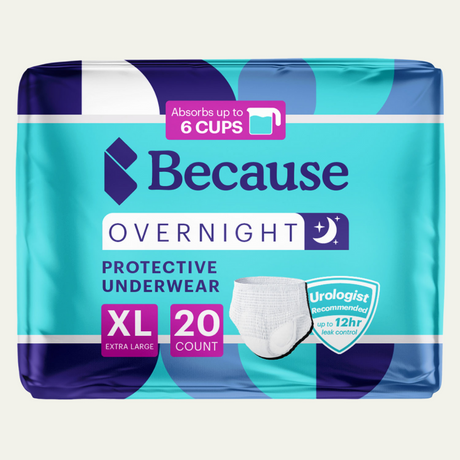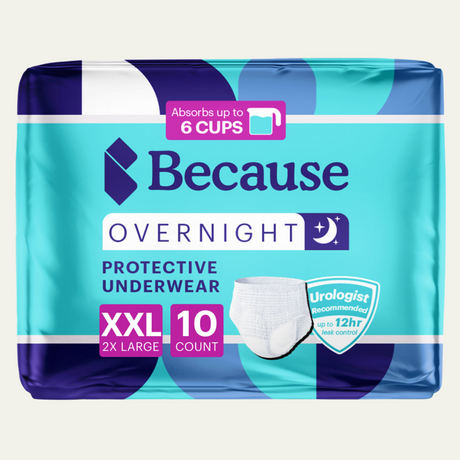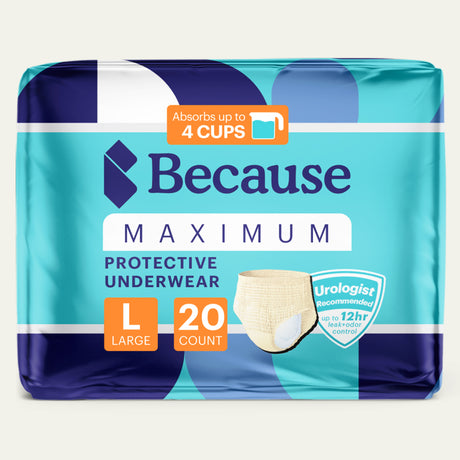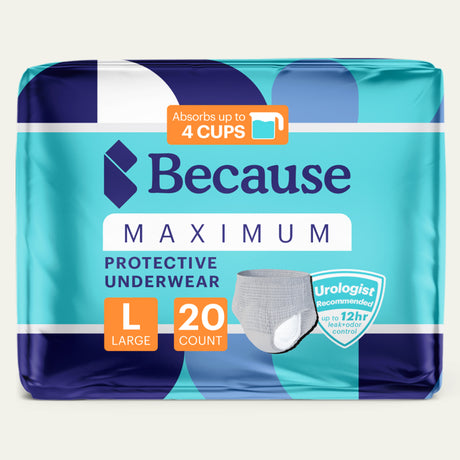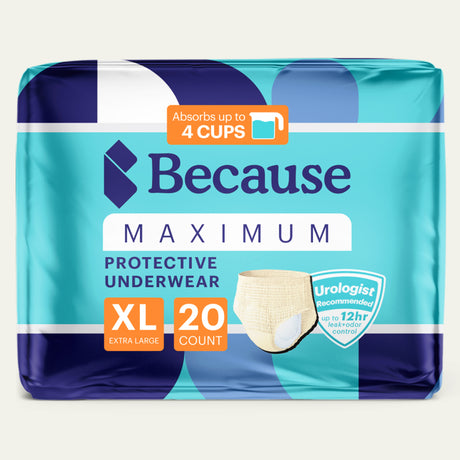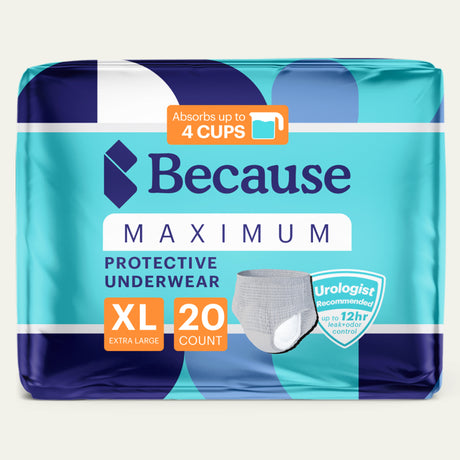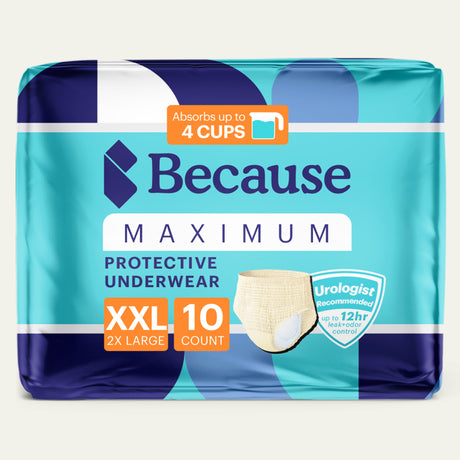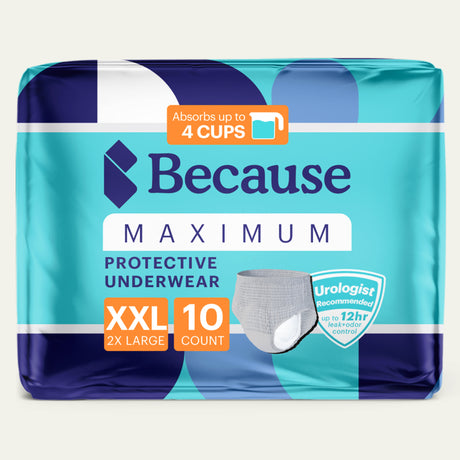

Answer first: For overnight underwear and booster pads, start with overnight underwear for full garment coverage, then add a booster pad only when the garment is otherwise comfortable but runs out of capacity before morning.
Overnight leaks usually need more than a daytime pad. This guide explains when overnight underwear is enough and when a booster pad can help extend protection.
Medical note: Incontinence products help manage leaks, comfort, cleanup, and daily routines. They do not diagnose, treat, prevent, or cure a medical condition. If symptoms are new, painful, sudden, or getting worse, ask a clinician for guidance.
Overnight Underwear vs Booster Pads
Start by matching the product or supply to the real situation, not to the most absorbent option on the shelf. Think about when leaks happen, how quickly changes can happen, who is helping, and what would make the next day easier.
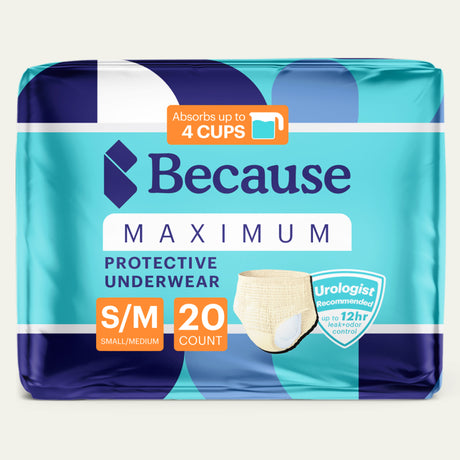
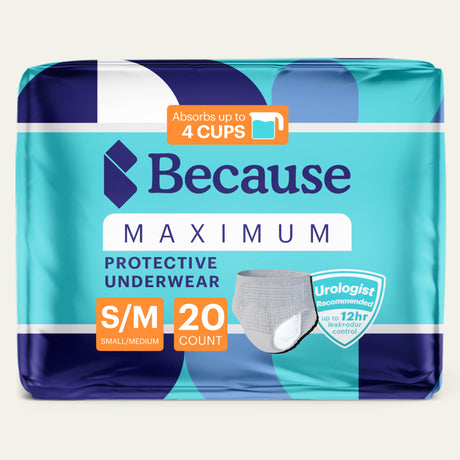
- Overnight underwear gives full garment coverage
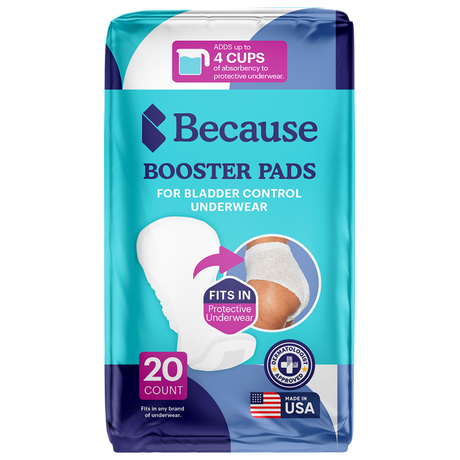
- Booster pads add absorbent capacity inside a fitted product
- Boosters are not meant to be worn alone
- Leaks at the legs usually mean fit needs attention first
Shop Because Market options for this care need.
How to choose for daily comfort
Use overnight underwear first when leaks are moderate to heavy, when changing sheets is common, or when getting up at night is difficult. Add a booster when the underwear fits well but is saturated by morning. Do not add a booster to underwear that is already loose, because extra bulk can create gaps.
Comfort is a practical sign that the routine is working. The product should stay in place during normal movement, should not create deep marks, and should be simple enough that changes happen on time. If a product is constantly adjusted, hidden, doubled up, or avoided, try a different absorbency, size, or style.
Questions to ask before buying for overnight underwear and booster pads
Before buying, ask what problem needs to be solved first. Is the main concern clothing leaks, sheet changes, odor, skin comfort, bathroom safety, or the stress of leaving home? A clear answer prevents overbuying and helps the person using the product feel respected instead of managed.
Also consider who will handle changes. Independent adults may prefer products that look and pull on like regular underwear. Caregivers may need items that are easier to change at bedside, easier to dispose of, or easier to store in a visible place. The best routine is one that people will actually use every day.
If you are comparing two reasonable choices, buy a small amount first and test it during a normal day at home. Notice how the product feels after sitting, walking, resting, and changing clothes. That small trial can reveal fit problems before you rely on it for travel or sleep, and it can make the next purchase more confident.
See the recommended Because Market option.
Fit, cleanup, and storage tips
Place the booster in the center of the underwear, smooth it flat, and make sure the top sheet of the main garment remains in contact with the skin around it. If leaks continue at the side, try a different size or style before adding more layers.
Keep supplies where changes actually happen. A bathroom shelf, bedside basket, or discreet travel pouch can reduce stress for the person using the products and for anyone helping with care. Store products in their original packaging until opened so sizes and absorbency levels are easy to confirm.
When to adjust the routine
Adjust the routine when leaks reach clothing or bedding, skin becomes irritated, supplies run out too quickly, or the product feels uncomfortable. Also adjust after changes in mobility, sleep, medication schedules, travel, or caregiver support. Small changes often solve the problem before a complete routine change is needed, especially when the basic product type already feels acceptable.